Been watching how different liquidity levels impact price action during my trades.
Noticed some interesting patterns when buy side liquidity shifts but want to understand the mechanics better. What have you observed in your own trading?
Been watching how different liquidity levels impact price action during my trades.
Noticed some interesting patterns when buy side liquidity shifts but want to understand the mechanics better. What have you observed in your own trading?
Price moves toward buy orders like water finding its level. When buy orders stack up at certain prices, the market drops to fill them. Watch how price reacts at these levels - quick bounces mean strong buyers, slow fills mean weak ones. I watch for volume spikes here. Real support creates sharp bounces with solid volume. Fake support breaks easily. Retail traders love obvious stop placement, creating liquidity pools that get hunted constantly.
Buy side liquidity pulls price like a magnet. Big clusters of buy orders? Market makers slam price down to grab them. I use this all the time for entries.
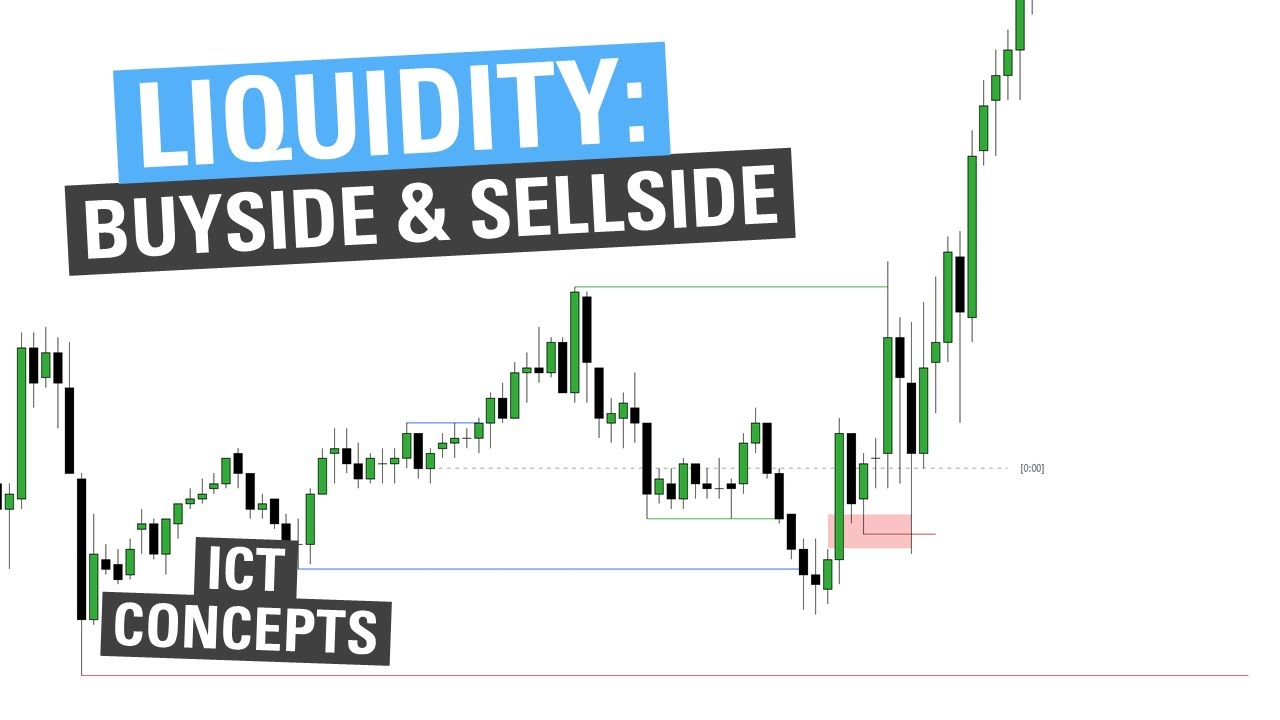
It won’t hold every time though. Heavy selling pressure breaks it.
Liquidity zones aren’t magnets - they’re just supply and demand imbalances.
Buy side liquidity means pending orders are sitting there waiting to get filled. The market sweeps through to grab that liquidity, then reverses.
I watch how fast the liquidity gets eaten up. Quick absorption plus immediate reversal shows strong institutional interest. Slow grind through the zone suggests weak hands and likely continuation.
Buy side liquidity shows where traders want to buy at specific prices. Heavy liquidity below current price pulls it down to fill those orders.
I see this constantly during London sessions. Price breaks what looks like support, hits the liquidity pool, then bounces back. Smart money targets retail stops sitting just below those levels.
Timing’s tricky though. Sometimes price hits that liquidity and keeps falling if there’s bigger selling pressure. I watch order flow with price action to see if buy liquidity’s getting absorbed or actually supporting price.
Works both ways. When buy side liquidity dries up, small selling pushes price down fast. Notice this during news releases when traders are sitting on the sidelines.