I’ve noticed 50 bps popping up a lot. I’m really confused about what it means in a practical sense.
Should I be focusing on this when I trade, or is it just background chatter?
I’ve noticed 50 bps popping up a lot. I’m really confused about what it means in a practical sense.
Should I be focusing on this when I trade, or is it just background chatter?
50 bps = 0.5%. That’s it.
Bps means basis points. 100 basis points = 1%. So when central banks say they’re raising rates 50 bps, they mean half a percent.
This matters for trading because rate changes move currency pairs. Fed raises 50 bps? USD pairs react way stronger than a 25 bps hike.
I always check expected rate changes before big announcements. Markets expect 25 bps but get 50? That’s prime volatility for quick trades.
Don’t overthink it. Just watch price action after news drops.
50 bps is simply half a percent. If a broker’s spread increases from 1 pip to 1.5 pips, that’s equivalent to 50 basis points. This concept also applies to interest rates. In trading, it’s crucial to compare actual changes against market expectations. For example, if a central bank cuts rates by 50 bps when everyone anticipated a 25 bps cut, that kind of surprise can cause significant price shifts. While the size of the change matters, unexpected moves often have a greater impact.
50 bps equals half a percent. Traders use this term when discussing small changes.
When central banks lower rates by 50 bps, it often causes bigger market reactions than the usual 25 bps shifts.
I pay close attention to this during news events because larger rate changes lead to more volatility and create better trading opportunities.
1 basis point = 0.01%. So 50 bps = 0.5% change. Matters for news trading because bigger moves create more volatility.
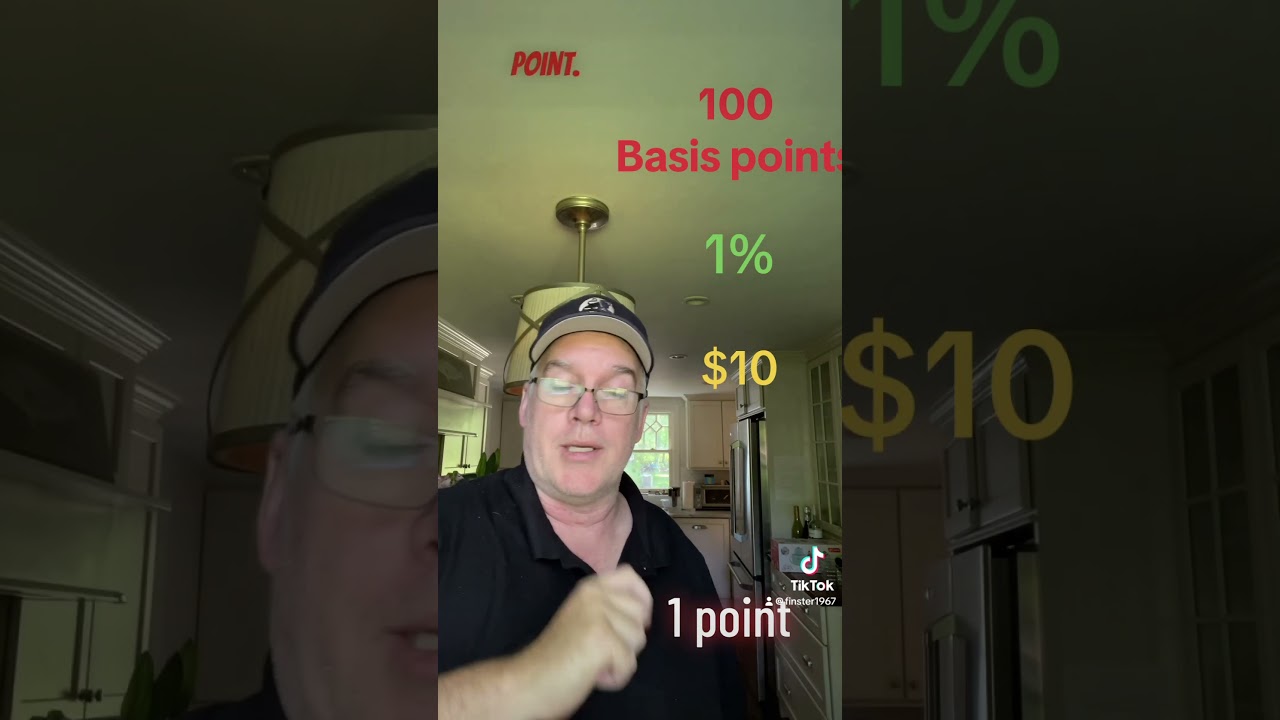
You’ll see this a lot in interest rate announcements.
It’s 0.5 percent but watch how markets react to it.