Been looking at forex charts and noticed the order matters. EUR/USD versus USD/EUR shows different prices.
What determines which currency goes first? Is there some standard rule or does it depend on the broker?
Been looking at forex charts and noticed the order matters. EUR/USD versus USD/EUR shows different prices.
What determines which currency goes first? Is there some standard rule or does it depend on the broker?
Think of it like saying “1 euro equals X dollars” - the base currency is what you’re measuring.
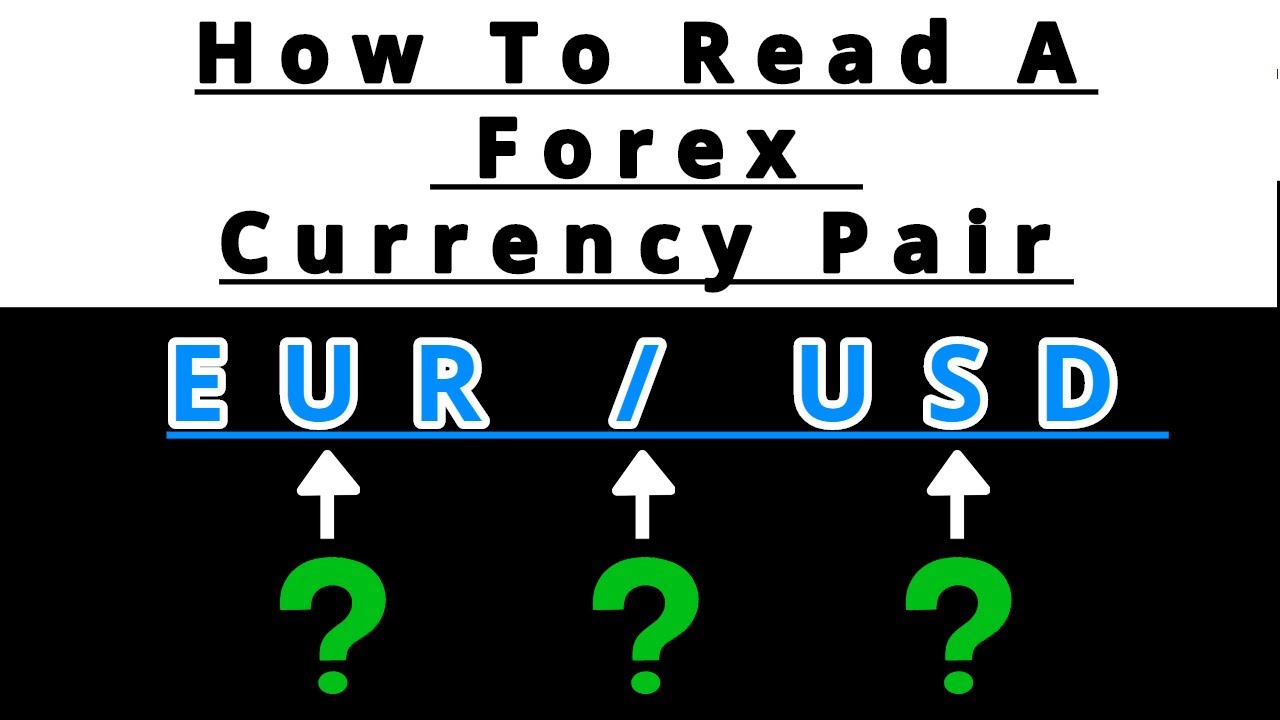
Most USD pairs put the dollar second, but yen pairs flip it around for historical reasons.
Currency pairs measure one currency against another. The first is the base and the second is the quote. For EUR/USD at 1.0850, it shows that 1 euro costs $1.0850.
This order follows a hierarchy. Euro and pound are before the dollar, but the dollar comes before yen and Swiss franc. This system evolved to create a standard.
All brokers use these pairs, ensuring consistency for banks and large traders.
Just market hierarchy. Euro beats dollar, dollar beats yen.
The first currency in a pair is called the base currency, and the second is the quote currency. For EUR/USD, it shows how many dollars one euro costs.
So, if the pair is at 1.0850, it means one euro is worth 1.0850 dollars.
This isn’t arbitrary; it’s a convention that has been around for decades. Major pairs, like EUR/USD or GBP/USD, always have the USD in the second position. However, pairs like USD/JPY or USD/CHF have the dollar first.
All brokers follow this standard. You can’t mix them up; EUR/USD and USD/EUR are entirely different and would confuse the market.
When you buy EUR/USD, you’re purchasing euros using dollars. When you sell, you’re exchanging euros to get dollars back.
Currency pairs show how much one currency is worth compared to another. The order isn’t random - there’s a hierarchy the market follows.
I got confused by this when I started trading too. After years of watching these pairs, you’ll notice stronger currencies usually go first. EUR beats USD, GBP beats USD, but USD beats JPY and CHF.
The practical part’s easy. If EUR/USD hits 1.0850, you need $1.0850 for one euro. Going long EUR/USD means you’re betting the euro will get stronger against the dollar.
Every broker uses this standard ordering. I’ve never seen one switch it around because it’d screw up their order flow with banks and liquidity providers.
The order follows market conventions banks and major financial institutions set up years ago.
EUR/USD shows how many US dollars you need to buy one euro. The price quote gives you the exchange rate from the first currency to the second.
Brokers can’t just pick their own ordering. It would create chaos in global markets if everyone used different standards.